International Forex Trading Platforms: Comparing Options for Traders
Forex trading, or foreign exchange trading, involves the buying and selling of currencies in the global marketplace. This decentralised market is known for its vast liquidity and 24-hour availability, attracting traders from all corners of the world. However, the effectiveness of trading often hinges on the choice of platform. A well-chosen trading platform can make a significant difference in a trader’s experience and success. This article explores the key features of Forex trading platforms, examines different types available, compares international platforms, and offers guidance on choosing the right one for individual trading needs.
Key Features of Forex Trading Platforms
When selecting a forex trading platform, it is crucial to understand the key features that differentiate one from another. The user interface plays a significant role; a clean, intuitive design can enhance the trading experience, making it easier for traders to navigate and execute trades efficiently. A well-structured platform should allow users to customise layouts according to their preferences, thus improving overall usability.
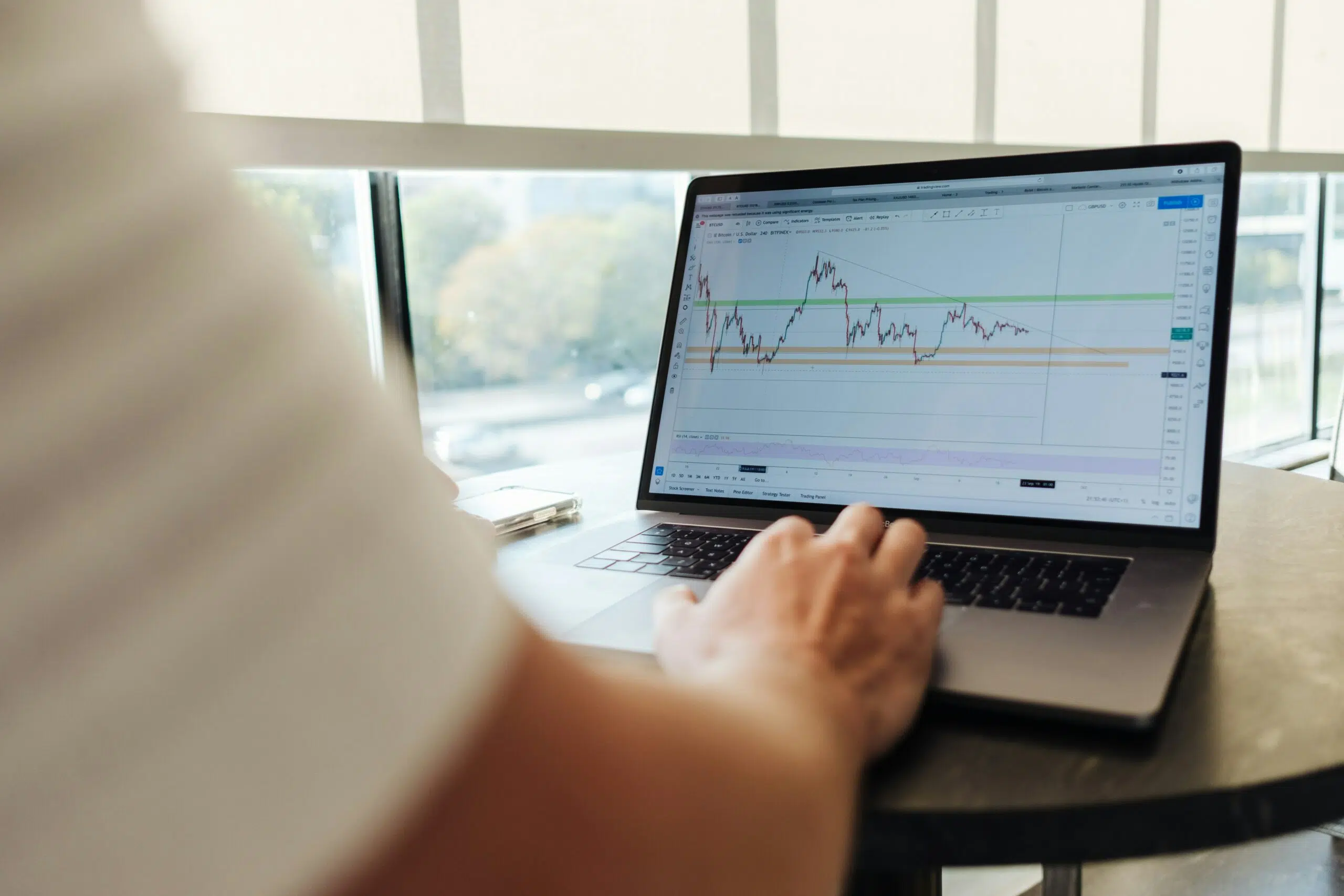
In addition to user experience, the availability of trading tools and resources is essential. Effective platforms provide advanced charting tools, enabling traders to analyse market trends and make informed decisions. The inclusion of various technical indicators, such as moving averages or RSI (Relative Strength Index), further supports traders in their analyses. Moreover, many platforms offer economic calendars that help traders stay updated on significant economic events that could impact currency prices.
The diversity of assets available for trading is another critical consideration. While the primary focus is on currency pairs, some platforms also allow trading in commodities, indices, and even cryptocurrencies. This variety provides traders with opportunities to diversify their portfolios and manage risk more effectively.
Types of Forex Trading Platforms
Forex trading platforms come in various forms, each with its unique features and benefits. MetaTrader 4 (MT4) and MetaTrader 5 (MT5) are among the most popular choices among traders globally. MT4 is renowned for its user-friendly interface and robust charting tools, making it ideal for both beginners and experienced traders. MT5, the successor to MT4, offers additional features, including advanced analytical tools and more timeframes for trading.
Another significant platform is cTrader, which has gained popularity for its intuitive interface and powerful trading capabilities. This platform offers advanced charting options, a variety of order types, and the ability to automate trading strategies through cAlgo. cTrader’s focus on providing a seamless trading experience appeals to many traders looking for advanced features without overwhelming complexity.
Proprietary platforms developed by specific brokers also deserve attention. These platforms can offer unique features tailored to the broker’s clientele, often including integrated educational resources or specialised tools for particular trading strategies. While these platforms can be highly beneficial, traders need to evaluate whether they meet their specific needs.
Comparing International Forex Trading Platforms
When comparing international Forex trading platforms, regulatory considerations play a crucial role. Different countries have various regulatory bodies that oversee Forex trading. Organisations such as the Financial Conduct Authority (FCA) in the UK, the Australian Securities and Investments Commission (ASIC), and the National Futures Association (NFA) in the US ensure that brokers adhere to specific standards, providing a layer of protection for traders. Understanding which regulatory bodies oversee a platform can help traders gauge its reliability and trustworthiness.
Fees and commissions can significantly affect a trader’s profitability. Different platforms adopt varied pricing models, including spread-based and commission-based structures. A spread is the difference between the buying and selling price of a currency pair, while commissions are direct fees charged per trade. Traders should carefully analyse the fee structures of different platforms to ensure they choose one that aligns with their trading strategy and volume.
Customer support is another essential aspect of any trading platform. Effective platforms typically offer multiple support channels, including live chat, email, and phone support. The availability and quality of educational resources, such as webinars, tutorials, and articles, can also enhance a trader’s experience. Comprehensive educational materials help traders of all skill levels improve their strategies and understand the market better.
How to Choose the Right Forex Trading Platform
Choosing the right Forex trading platform begins with identifying personal trading needs. Traders should consider their experience level, preferred trading style, and financial goals. A beginner might prioritise a user-friendly interface with educational resources, while an experienced trader may seek advanced analytical tools and a platform that allows for more complex trading strategies.
The importance of demo accounts cannot be overstated. Many Forex platforms offer demo accounts that allow traders to practise trading without risking real money. These accounts enable users to explore the platform’s features and tools before committing to a live account. Testing a platform’s capabilities through a demo account can help traders feel more confident in their choices.
Conclusion
In the competitive world of Forex trading, the choice of platform can significantly impact a trader’s success. By understanding the key features of trading platforms, exploring the types available, and comparing international options, traders can make informed decisions that align with their goals. Ultimately, taking the time to evaluate personal needs and exploring platforms through demo accounts can lead to a more rewarding trading experience.