Microchannel Heat Exchangers in Hybrid Cooling Systems
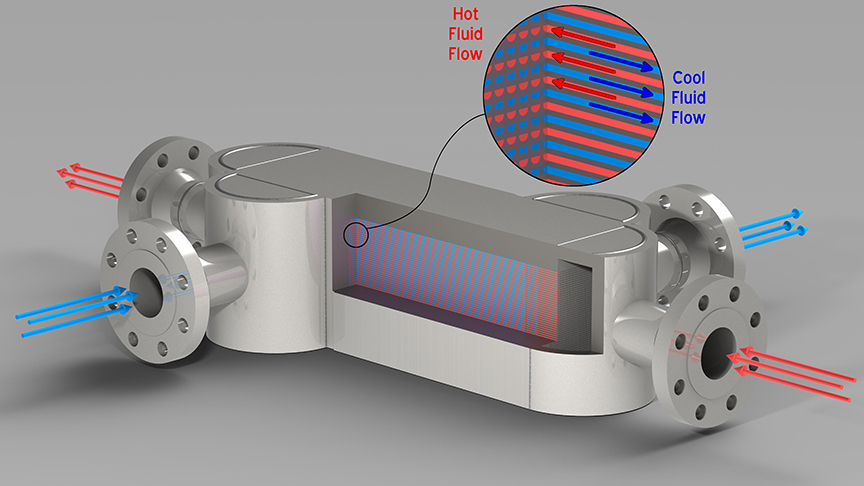
Hybrid cooling systems are finding greater use as an intelligent alternative for buildings that are looking for a combination of energy efficiency, environmental sustainability, and flexibility of operation. Hybrid systems incorporate mechanical refrigeration along with natural or evaporative cooling methods—yielding lesser energy consumption without compromising on accuracy in temperature as well as humidity control. As hybrid systems continue to advance, the equipment that supports efficient heat transfer must catch up too. Microchannel heat exchangers are becoming a key facilitator for this transformation with advantages of small size, high thermal efficiency, and extended life in varied operating conditions.
Hybrid cooling’s primary need is effective handling of multiple thermal cycles. In the case of most such systems, they toggle between DX cooling and free cooling modes according to ambient temperatures. This dynamic mode places unique demands on heat exchanger components to perform reliably under fluctuating refrigerant flow rates, temperatures, and pressure conditions. Microchannel technology is a better option in this climate because it can maintain uniform refrigerant distribution in multiple channels, irrespective of the operation mode being used.
One of the most striking features of microchannel heat exchangers is that they are able to operate with lower refrigerant charges than traditional coils. This renders them extremely suitable for hybrid systems, which prefer to use low-GWP refrigerants or co-exist with glycol-based or water-side economizers. The reduced internal volume of microchannel coils not only supports these eco-friendly refrigerants but also enhances system responsiveness to allow faster switching between cooling modes without sacrificing capacity.
Compact Design Supports Versatile System Integration
The small size of microchannel heat exchangers makes them particularly well-suited to hybrid configurations where weight and footprint of the system are a factor. Roof top units, data center cooling modules, and modular HVAC platforms all benefit from the lighter construction and reduced coil size microchannel designs have to offer. This allows engineers to pair mechanical and passive cooling components in one unit without contributing to increased size or complexity.
Moreover, integration of microchannel heat exchangers into hybrid configurations lowers mechanical stress on system components. The planar aluminum tube structure of microchannels distributes thermal loads more uniformly compared to round-tube coils, diminishing fatigue as a result of repeated cycling between cool modes. This results in longer interval servicing and higher reliability—especially in commercial building, industrial process cooling, and telcom shelter applications where downtime is unacceptable.
For technicians and facilities professionals working with Carrier-based hybrid units, the most practical option for upgrading performance is to replace old coils with newer microchannel replacement coils. Older Carrier units typically shipped with heavier, less efficient copper-aluminum coils that can be more prone to corrosion and wear over time. Replacing them with microchannel coils enhances thermal efficiency, reduces maintenance schedules, and preserves future-proof compatibility with refrigerants without having to replace full systems.
Durability and Corrosion Resistance in Mixed-Mode Operation
Hybrid cooling system applications often involve operation in an atmosphere exposed to fluctuating humidity, airborne contaminants, and sporadic exposure to moisture. Standard fin-and-tube coils are prone to formicary corrosion due to volatile organic compounds (VOCs) in building products and cleaning chemicals. Over time, this leads to leakage and degraded system performance.
Microchannel heat exchangers counteract chemical erosion using advanced manufacturing technologies and high-performance protective surface treatments. Hydrophilic coatings on most designs facilitate rapid drainage of condensate and microbial growth resistance—a huge advantage in mixed-mode operation where condensation is common. The all-aluminum construction of most microchannel coils also provides excellent chemical degradation resistance, ideal for application in harsh hybrid cooling applications.
Enhanced components from predecessor Carrier equipment have measured improvements after installation of microchannel replacement coils designed for hybrid operation. To be used in rooftop units, precision cooling modules, or retrofitting, the enhanced components offer enhanced thermal efficiency and long-term reliability—both for operational performance and sustainability goals.
For engineers seeking established high-performance replacement coil solutions specifically tailored for Carrier-based hybrid systems, product information and technical assistance are available at https://www.kaltra.com/microchannel-replacement-coils/carrier-coils. On this site, the user can learn about how modern microchannel technology can be easily integrated in today’s hybrid cooling strategies.
Conclusion: A Strategic Component for Energy-Efficient Cooling
As demand for smart, energy-efficient HVAC systems grows, hybrid cooling systems are increasingly playing a key role in reducing energy consumption and environmental impact. Microchannel heat exchangers are at the forefront of making the change by offering consistent thermal performance, reduced refrigerant consumption, and increased lifespan across a wide range of operating conditions.
From data centers and server rooms to industrial process cooling and office buildings, microchannel technology in hybrid configurations is a forward-thinking approach to thermal management. By integrating these advanced coils into their systems, engineers and facilities managers are not just increasing current performance-they’re setting the stage for an infrastructure that’s future-proof to boot and easily adaptable to changing climate and regulatory landscapes.