How to Hire Security Guards for Customer-Facing Environments
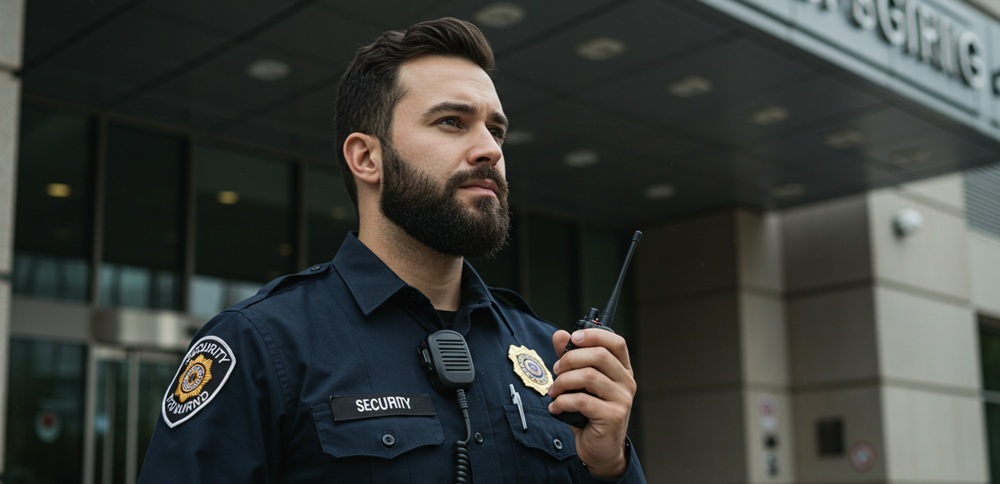
How to Hire Security Guards for Customer-Facing Workplaces?
To hire security guards for customer-facing environments, start by defining the risks, customer expectations, and day-to-day pressures at your site. Then choose a security company that can supply professional officers with the right licences, the right presentation, and the right experience for public-facing roles such as retail, front of house, reception, leisure, hospitality, and mixed-use commercial premises.
In practice, that means looking beyond basic cover. You need security officers who can deter theft, manage difficult situations calmly, protect your team, and still speak to customers in a clear and respectful way. The strongest security services combine visible presence, incident awareness, reporting discipline, and customer-facing professionalism.
Why customer-facing environments need a different standard of security
Hiring for a public-facing site is rarely as simple as filling a shift. A store, showroom, office reception, residential front desk, visitor entrance, or branded commercial space puts security officers in direct view of customers, staff, visitors, contractors, and senior stakeholders throughout the day.
That changes the brief. In a customer-facing setting, the officer is often the first person someone sees when they enter. Their tone, posture, judgement, and visibility all shape how safe and well-run the environment feels.
You are not only looking for someone who can respond when something goes wrong. You are choosing people who can spot early warning signs, handle pressure without escalation, and protect the atmosphere of the site while staying alert to theft, disorder, trespass, abusive behaviour, or suspicious activity.
Start with the environment, not the job title
Before you approach any security guard company, define what the site actually needs. A flagship retail store on a busy high street has a different risk profile from a private clinic, a luxury residential development, or a corporate reception in Central London.
Look closely at footfall, opening hours, trading peaks, delivery patterns, lone working risks, stock value, previous incidents, and the layout of entrances and exits. Public access, alcohol licensing, cash handling, queues, and after-hours access can all change the kind of officer you need.
It also helps to think about the experience you want customers to have. Some locations need a highly visible deterrent near the entrance. Others need a softer front-of-house approach with strong observation skills and discreet intervention when required.
What to look for when you hire security guards for public-facing sitesCommunication skills matter as much as physical presence
In customer-facing environments, a capable officer must be able to speak with confidence and control. They may need to greet visitors, answer simple questions, de-escalate frustration, guide contractors, challenge suspicious behaviour, and support your internal team during incidents.
A strong candidate or provider should be able to explain how their officers handle conflict management, customer interaction, incident reporting, and escalation routes. You want calm judgement, not unnecessary confrontation.
Presentation should match your brand and setting
Presentation is not a cosmetic detail. In a reception area, premium retail unit, showroom, private residence, or corporate entrance, appearance affects customer confidence. Officers should look professional, alert, and appropriate for the environment they are protecting.
That includes uniform standards, body language, punctuality, and an understanding of how visible security can support the customer journey rather than interrupt it.
Relevant experience should match the site type
Ask whether the officers regularly work in retail, front-of-house, reception, or other customer-led environments. Someone who is effective on a remote industrial site may not be the right fit for a luxury boutique, hotel lobby, mixed-use building, or office headquarters.
Relevant experience often shows up in the detail. Officers who understand shoplifting patterns, queue pressure, nuisance behaviour, access control, visitor management, and customer reassurance are usually easier to integrate into daily operations.
Licensing and compliance checks you should never skip
In the UK, many security roles involve licensable activity, and front line officers commonly need an SIA licence when they are supplied under a contract for services and perform manned guarding or related licensable work. Requirements can differ depending on the role and whether the work is contracted or in-house, so it is sensible to check the legal position for the exact activity and setting before deployment.
For the buyer, that means asking clear questions. Confirm what licence is required for the role, whether the deployed officer holds it, and how the provider verifies licence status before assignment. You should also ask how absence cover, supervision, incident escalation, and record keeping are handled.
Where the premises involve licensed activity, public access complexities, or specialist duties, the compliance conversation becomes even more important. A credible provider should be able to explain responsibilities in plain English without hiding behind vague sales language.
Questions to ask a security provider before you appoint themHow do you select officers for customer-facing assignments?
The answer should go beyond availability. You want to hear how officers are matched to the site, what qualities are prioritised, and how the provider assesses communication, awareness, reliability, and suitability for public interaction.
What is your plan for cover, supervision, and continuity?
A contract can look fine on paper and still fail in real life if the provider cannot maintain standards during sickness, leave, or urgent change. Ask who manages the account, how replacements are sourced, and what oversight is in place once the assignment begins.
How do you handle incident reporting and escalation?
A public-facing officer may deal with theft, abusive behaviour, welfare issues, suspicious packages, trespass, aggressive visitors, or vulnerable individuals. Ask what gets logged, how quickly managers are informed, and how evidence and handovers are handled.
Can the role be tailored to our site expectations?
The best security services are shaped around the site rather than copied from a generic template. You may need a visible entrance presence, plain-clothes loss prevention support, reception security, patrols, access control, or a blend of duties across busy periods.
Signs you are choosing the wrong supplier
Some warning signs show up early. A provider that talks only about price, sends vague proposals, cannot explain who will supervise the contract, or avoids detailed conversations about the site may not be right for a customer-facing environment.
You should also be cautious if the discussion focuses on filling hours rather than protecting the site properly. Public-facing security depends on fit. The wrong deployment can increase complaints, weaken deterrence, and make your team feel unsupported.
Another red flag is generic language about guards being suitable for every location. Good providers understand that retail, reception, residential, leisure, and corporate settings each demand different strengths.
Balancing visible deterrence with a welcoming customer experience
This is often where buyers hesitate. You want a site to feel secure, but you do not want it to feel tense or hostile.
That balance comes from officer selection, briefing quality, and clear site instructions. A skilled officer understands when to be visible, when to step in, and when a lighter touch protects the environment better. In a busy shop, for example, the role may include deterrence, loss prevention, staff reassurance, and measured engagement with the public. In a reception area, the emphasis may shift towards access control, observation, visitor handling, and discreet intervention.
When security is done well, customers notice that the site feels calm, organised, and under control. They do not feel pushed away.
Why a local understanding can make a difference
A provider with strong knowledge of your area may be better placed to understand local footfall patterns, nearby transport links, repeat nuisance issues, and the pace of trading in surrounding streets. That can matter in prime retail districts, busy office zones, and mixed-use developments where the environment changes quickly across the day.
For London sites in particular, deployment planning often needs to reflect peak commuter times, tourist traffic, evening economy pressures, delivery windows, and the expectations of high-value or high-visibility brands.
Choosing a provider that fits a premium or high-visibility environment
If your business relies on image, service standards, and customer confidence, do not treat security as an afterthought. The right officer supports operations, reinforces professionalism, and helps protect both people and reputation.
A specialist security company should be able to explain how it approaches front-of-house standards, communication, escalation, discretion, and continuity of cover. You are looking for a partner that understands the commercial reality of public-facing sites, not a one-size-fits-all supplier.
For businesses that want a tailored approach in London, Fahrenheit Security provides customer-facing guarding solutions across retail, corporate, commercial, and residential environments, with an emphasis on professionalism, presentation, and site-specific deployment.
A simple hiring process that keeps standards high1. Define the site brief clearly
Set out the environment, main risks, coverage hours, expected duties, and the tone required on site. Include practical details such as entrances, stock risk, visitor flow, nuisance issues, and reporting expectations.
2. Speak to providers in detail
Use the early conversations to test whether they understand customer-facing security. Ask how they would deploy, supervise, and maintain standards on your specific site.
3. Check compliance and deployment logic
Confirm licensing, role fit, escalation routes, and who is responsible for day-to-day account management.
4. Assess service fit, not just price
The cheapest option can become the most expensive if the officer is wrong for the environment, the cover is inconsistent, or incidents are handled badly.
5. Review performance after launch
Once deployment starts, track punctuality, communication, incident handling, presentation, and how well the officers work with your team and customers.
Final thoughts on hiring security for customer-facing spaces
When you hire security guards for a customer-facing environment, you are making an operational decision and a brand decision at the same time. The officer at the door, reception desk, or trading floor becomes part of how people experience your business.
That is why the selection process deserves care. Look for role-specific experience, clear communication, reliable supervision, and a provider that understands your environment in practical terms. The right security guard company will help you protect people, reduce disruption, and maintain the standard your customers expect.
If you are reviewing options for front-of-house, retail, residential, or commercial coverage, Fahrenheit Security can help you plan the right approach for your site. Address: Fahrenheit Security, 30 Binney St, London W1K 5BW Phone: 020 7123 8944
FAQs about hiring customer-facing security guards
- Do customer-facing security officers need different skills from other guards?
Yes. Public-facing roles usually require stronger communication, customer handling, and de-escalation skills, alongside core security awareness. - Should security officers be highly visible in all customer-facing settings?
Not always. Some sites benefit from a strong visible presence, while others need a more discreet approach. The right choice depends on the environment, risk level, and customer expectations. - Is retail security the same as reception or corporate security?
No. Retail often places more emphasis on loss prevention and public interaction, while reception and corporate environments may focus more on access control, visitor management, and professional front-of-house presence. - What should I prioritise when comparing providers?
Look at role fit, communication, licensing, supervision, continuity of cover, reporting standards, and how well the provider understands your site.