Why Granite Benchtops Lose Their Look After a Few Years in the Kitchen
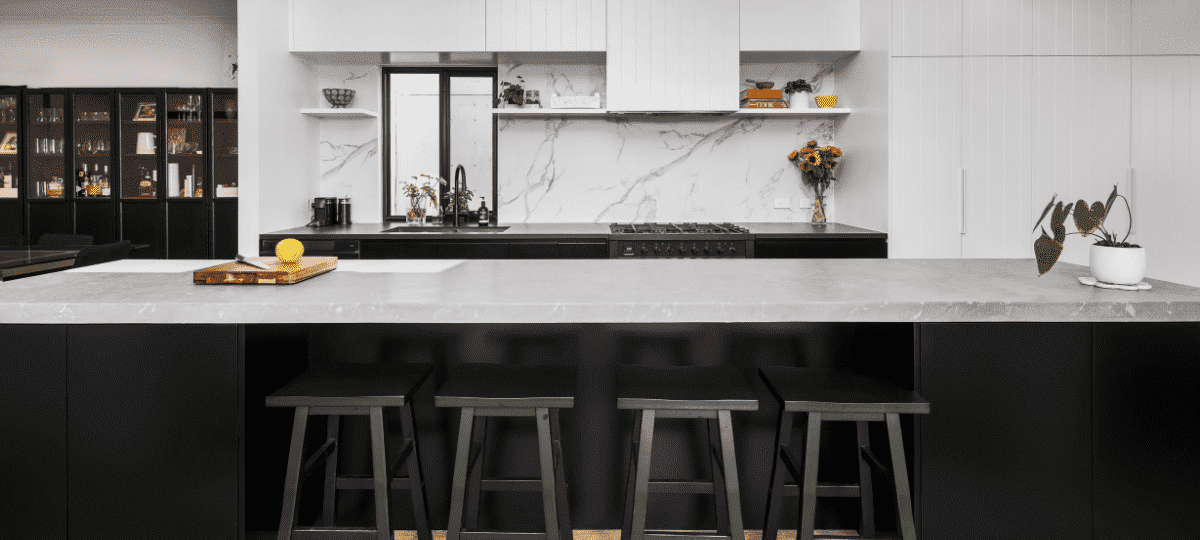
Granite is often chosen for kitchens because it’s perceived as a lifetime surface. Homeowners invest in it expecting durability, natural beauty, and long-term value. A well-installed Granite kitchen benchtop can indeed last decades. Yet many people notice that after only a few years, their benchtops begin to look dull, stained, or uneven in colour.
This change doesn’t usually happen because granite is failing as a material. Instead, it happens because granite requires ongoing care that many homeowners are never told about. Granite is a natural stone with microscopic pores that can absorb liquids if it is not properly sealed and maintained.
When maintenance habits don’t keep pace with everyday kitchen use, the surface gradually loses its original appearance. Understanding why this happens and how to prevent it helps protect what is often a significant renovation investment.
Granite Is Installed Sealed, But That Protection Doesn’t Last Forever
When a Granite kitchen benchtop is first installed, it usually receives a protective sealant. This sealant fills the stone’s microscopic pores and creates a barrier that prevents water, oils, and food spills from penetrating the surface. However, this protection isn’t permanent.
In an active kitchen environment, sealants gradually wear down due to regular cleaning, moisture exposure, cooking oils, and daily use. Even high-quality sealers eventually lose effectiveness over time. Most natural stone experts recommend resealing granite periodically to maintain protection. In heavily used kitchen environments, granite surfaces often need resealing every one to two years depending on usage and stone type.
In busy households where cooking happens daily, the protective layer may begin wearing down even sooner. Once that sealant begins to weaken, the granite becomes vulnerable to moisture absorption and staining. Unfortunately, this gradual loss of protection is something most homeowners never notice until visible problems begin appearing.
Cleaning Products Can Strip the Seal Faster Than Expected
Another reason granite benchtops lose their original appearance is the use of incorrect cleaning products. Many people assume that strong kitchen cleaners are ideal for maintaining surfaces. In reality, harsh cleaning chemicals can break down granite sealants much faster than normal wear.
Acidic cleaners, bleach-based products, and abrasive sprays are particularly damaging. These substances gradually strip the protective layer from the stone. Even some “natural” cleaning solutions can cause problems. Vinegar and citrus-based cleaners are often recommended for household cleaning, but their acidity can weaken sealants and dull stone surfaces over time.
Granite is durable, but its protection relies heavily on maintaining the integrity of the sealant.
When the sealant is repeatedly exposed to harsh cleaners, its lifespan can shorten dramatically.
That’s why professional stone care specialists typically recommend using pH-neutral cleaners specifically designed for natural stone surfaces. These products remove grease and food residue without degrading the protective barrier. Without proper cleaning habits, even a premium Granite kitchen benchtop can begin showing wear far sooner than expected.
A Surface Can Look Clean While Still Absorbing Contaminants
One of the biggest misconceptions about granite is that if it looks clean, it must be protected.
Unfortunately, that isn’t always the case. Granite surfaces can appear perfectly polished while their protective seal has already deteriorated.
Because granite contains microscopic pores, liquids such as cooking oils, wine, coffee, and sauces can slowly penetrate the surface when sealant protection is reduced. This absorption often happens gradually and invisibly at first. The benchtop may still look spotless after wiping it down, but small amounts of moisture and oils may already be entering the stone.
Over time, these absorbed substances can cause:
- Dark patches around sinks
- Oil stains near cooking areas
- Uneven colour variations
- Persistent marks that won’t wipe away
This is why regular maintenance is so important.
Without resealing, the stone slowly becomes more porous and vulnerable to damage.
The Risks of Ignoring Granite Maintenance
When granite benchtops begin to lose their protective seal, the risks extend beyond cosmetic issues.
One of the most common problems is permanent staining. Oils and coloured liquids that seep into the stone can create dark spots that are extremely difficult to remove.
Another concern is bacterial contamination. Because granite contains microscopic pores, unsealed surfaces can potentially trap food particles and moisture. These areas can become difficult to clean thoroughly. While sealed granite is generally hygienic and easy to maintain, unsealed surfaces may allow contaminants to accumulate inside the stone.
Over time, prolonged exposure to moisture and oils can also degrade the stone’s surface finish.
The once-smooth polish may begin to look dull or patchy, particularly in areas near sinks and cooking zones. Ignoring these early warning signs can eventually lead to expensive restoration or replacement. Maintaining a Granite kitchen benchtop properly is far more cost-effective than repairing damage after it occurs.
How Professionals Maintain Granite Benchtops
Professional stone specialists approach granite care very differently from standard household cleaning routines. Rather than waiting for problems to appear, they follow preventive maintenance schedules designed to protect the stone over time.
One of the most important steps is resealing. Most granite benchtops benefit from resealing every one to two years, depending on the type of stone and how heavily the kitchen is used. This process restores the protective barrier that prevents moisture and oils from entering the stone.
Professional sealing products are typically stronger and longer-lasting than many over-the-counter alternatives. They penetrate deeper into the stone and create a more durable barrier.
In addition to resealing, professionals also recommend:
- Using stone-safe cleaners
- Avoiding acidic or abrasive products
- Cleaning spills quickly before they absorb
- Performing periodic maintenance checks
These practices help maintain the natural colour, polish, and durability of granite surfaces for many years.
How to Test If Your Granite Needs Resealing Right Now
Fortunately, you don’t need specialised equipment to check whether your granite needs resealing. A simple household test can reveal whether the protective barrier is still functioning. This method is commonly known as the water drop test.
Place a few drops of water on the surface of your Granite kitchen benchtop and allow them to sit for around 10–15 minutes. If the water remains beaded on the surface, the sealant is still working.
However, if the water begins to spread or darken the stone beneath it, the granite is absorbing moisture and likely needs resealing.
Other signs that resealing may be needed include:
- Water no longer forms droplets on the surface.
- Dark patches are appearing around the sink.
- Oil marks that are difficult to remove.
- A dull or uneven finish in high-use areas.
These symptoms indicate that the protective seal has weakened.
Addressing the issue early prevents long-term staining and keeps the benchtop looking its best.
Conclusion
Granite benchtops are often chosen for their durability and timeless appearance. A high-quality Granite kitchen benchtop can indeed last decades, but only if it is properly maintained. The reality is that granite requires ongoing care. The protective seal applied during installation gradually wears away through everyday kitchen use, cleaning products, and exposure to moisture.
Without regular resealing, the stone becomes vulnerable to staining, surface damage, and loss of its original shine. Fortunately, maintaining granite is relatively simple. A regular resealing schedule, the right cleaning products, and periodic surface checks can preserve the beauty of the stone for years to come. In the end, a small annual maintenance habit is all it takes to protect one of the most valuable features of your kitchen renovation.
FAQs
1. How often should granite benchtops be sealed?
Most granite surfaces should be resealed every one to two years, depending on usage, the type of granite, and the quality of the original sealant.
2. How can I tell if my granite needs resealing?
You can perform a simple water test. If water droplets soak into the surface and darken the stone, it means the sealant has worn off.
3. Can the wrong cleaning products damage granite?
Yes. Acidic or abrasive cleaners can strip away protective sealants and dull the surface of granite over time.
4. Does granite absorb bacteria and liquids?
Granite contains microscopic pores. When the sealant wears off, oils, liquids, and contaminants can enter these pores more easily.
5. Is resealing granite difficult?
Resealing can be done professionally or with DIY products, but professional sealants often provide longer-lasting protection for high-use kitchen surfaces.